Who is a member?
Our members are the local governments of Massachusetts and their elected and appointed leadership.


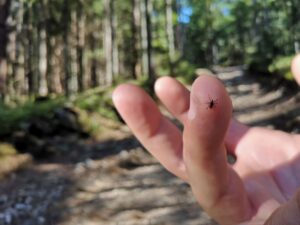
Generally milder weather patterns have extended the active season for ticks, making tick awareness and prevention an important focus for municipal departments and employees.
As temperatures rise, so does the risk of tick exposure for municipal workers.
Warmer winters and longer periods of mild weather have extended the active season for ticks, which can now last from early spring through late fall. Even during winter months, ticks can remain active under insulating snow cover, further extending the period of potential activity.
Recent data confirm how quickly this risk is growing. Emergency department visits for tick bites in the Northeast are already at their highest levels in at least a decade, with activity rising earlier in the season than in previous years. In Massachusetts, tick-borne disease activity was already being reported statewide in the early months of the year.
The Commonwealth continues to rank among the states with the highest rates of tick-borne disease, making it a workplace safety issue — and underscoring the importance of proactive prevention and awareness.
Elevated risk for municipal workers
Many municipal roles involve routine exposure to environments where ticks thrive. Public works crews, parks and recreation staff, facilities and grounds teams, and seasonal employees often work in wooded or brushy areas, tall grass, and leaf-littered areas. Day-to-day tasks such as mowing, brush clearing, park and trail maintenance, cemetery operations, and storm cleanup can place workers in direct contact with high-risk areas.
Tick risks are not limited to traditional outdoor roles, however. Employees across departments — such as conservation personnel, inspectors, engineers, and utility crews — may encounter ticks when working in roadside vegetation, drainage areas, and other undeveloped spaces.
Public safety personnel and school staff may also encounter ticks during routine duties. Police, fire, animal control, public health, and emergency management staff can be exposed when responding to calls, conducting inspections, or assisting residents in outdoor settings. Additionally, teachers, paraprofessionals, coaches, and maintenance staff may spend time on playgrounds and athletic fields, where ticks can attach to clothing or equipment.
Tick awareness and prevention should be reinforced across municipal departments, particularly during periods when outdoor work and programming increase.
Tick species and risks
Massachusetts is home to several tick species, each capable of transmitting different diseases:
• Black-legged tick (deer tick): The most common species in the region, associated with Lyme disease, anaplasmosis, babesiosis, and other infections
• American dog tick: Known to spread illnesses such as Rocky Mountain spotted fever and tularemia
• Lone star tick: Increasingly prevalent in the Northeast and linked to ehrlichiosis and alpha-gal syndrome
Alpha-gal syndrome is of particular concern because it presents differently from more familiar tick-borne illnesses. In March, the Massachusetts Department of Public Health designated AGS as a reportable condition in Massachusetts. Triggered by a bite from a lone star tick, AGS can cause a delayed allergic reaction to red meat and other mammalian products, often several hours after consumption. This delayed onset can make diagnosis more difficult, and the effects may be long-term and require significant lifestyle adjustments.
Practical prevention measures
Reducing tick exposure requires a consistent, workplace-based approach. Municipal leaders can support their employees by promoting training, protective measures, and consistent workplace safety practices.
Best practices include:
• Provide training and awareness: Educate employees on where ticks live, how they attach, and the range of illnesses they can transmit, including emerging risks such as AGS. Be sure to include seasonal staff in all guidance.
• Promote protective clothing and repellents: Advise workers to wear long-sleeved shirts and long pants, with pants tucked into socks when possible. Light-colored clothing can make ticks easier to spot. EPA-registered repellents containing DEET, picaridin, or oil of lemon eucalyptus should be used on exposed skin and clothing. The federal Occupational Safety and Health Administration advises providing repellents or treated gear where appropriate.
• Adjust work practices where feasible: Keep employees on cleared paths when possible to avoid unnecessary contact with dense brush, tall grass, and leaf litter.
• Promote post-work checks: Remind employees to conduct daily checks at the end of their workday, particularly behind the knees, under the arms, around the waist, along the hairline, and behind the ears. Encourage showering within two hours of outdoor work to help remove unattached ticks.
• Encourage prompt reporting: Establish clear expectations for reporting tick bites so departments can document incidents and support follow-up if needed.
If a tick is found attached, healthcare experts recommend removing it promptly using fine-tipped tweezers, grasping as close to the skin as possible and pulling upward with steady, even pressure. Afterwards, clean the area with soap and water or rubbing alcohol.
Employees should monitor for symptoms such as rash, fever, or fatigue and seek medical attention if symptoms develop.
Tick exposure is a growing concern for municipal operations, particularly during the warmer months, but with clear policies, consistent training, and practical preventive measures, municipalities can significantly reduce the risk to their workforce.
As awareness grows about emerging concerns such as AGS, taking steps to educate employees and reinforce safe work practices can help communities stay ahead of this evolving public health challenge.
Written by Jennifer Ranz